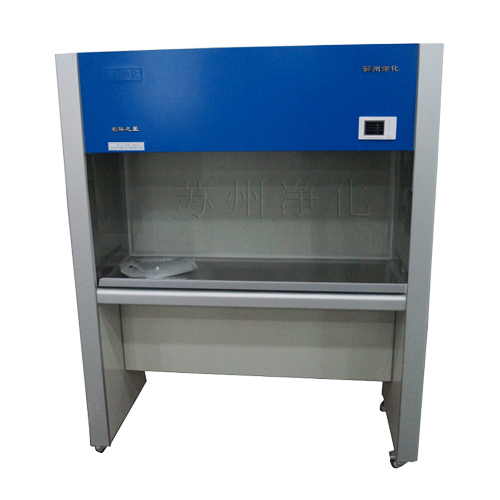
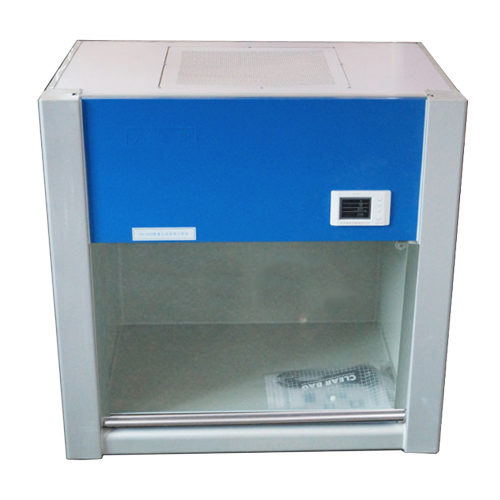
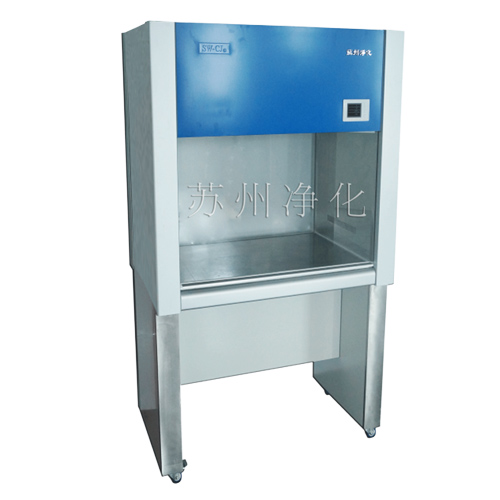
The term "biohazard safe cabinet" refers to a type of equipment designed to protect personnel from hazardous biological substances. These cabinets are equipped with features that ensure proper containment and isolation, minimizing the risk of transmission to other areas within the laboratory. They typically include ventilation systems, filtration units, and access controls to maintain a negative pressure environment inside the cabinet.
Some key functional attributes of a biohazard safe cabinet include:
The primary difference between A2 and B2 Biohazard Safe Cabinets lies in their level of filtration and ventilation capabilities. A2 cabinets are generally less efficient at removing airborne particles than B2 models. This means that A2 cabinets may require more frequent cleaning and maintenance compared to B2 cabinets, as they have a higher likelihood of contaminating the surrounding environment during operations.
Additionally, A2 cabinets often lack advanced ventilation systems, which can contribute to the buildup of dust and debris within the cabinet. This can increase the risk of cross-contamination and exacerbate the potential hazards associated with handling biological samples.
Biohazard Safe Cabinets are essential in many scientific and medical laboratories where hazardous biological agents must be handled. Some common applications include:
By ensuring a negative pressure environment and maintaining a high level of sterility, biohazard safe cabinets help safeguard both researchers and the general public from the risks posed by infectious agents.
These cabinets are designed with several features to enhance safety and efficiency while performing lab work:
The combination of these features ensures that any potential exposure to harmful biological agents is minimized, protecting the well-being of all involved parties in the laboratory.
The design of a biohazard safe cabinet includes various elements that are tailored to maximize safety and efficiency:
These features work together to create a comprehensive solution for handling hazardous biological agents safely and effectively in a controlled environment.
In summary, A2 and B2 Biohazard Safe Cabinets offer varying levels of filtration and ventilation capabilities, reflecting different levels of containment and protection needed in different laboratory settings. While A2 cabinets are generally less efficient in terms of particle removal, they provide greater flexibility in terms of cost and size, making them suitable for smaller, more compact facilities. B2 cabinets, on the other hand, offer better filtration but may be more complex and expensive to operate. Ultimately, the choice between A2 and B2 cabinets depends on the specific requirements of the laboratory and the nature of the work being performed.
Note: All figures and percentages used in this analysis should be considered estimates and may vary depending on the specific characteristics of the cabinets and their intended use.
<strike id="kgy8g"></strike>
<strike id="kgy8g"></strike>